
Best Roof Type For House With Solar Panels
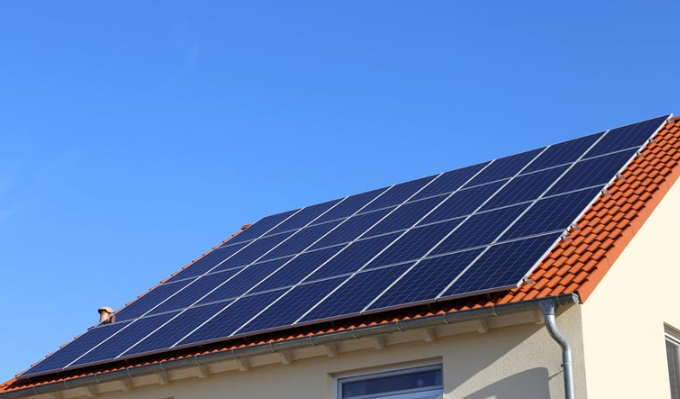
Thinking about going solar? It’s a brilliant move for your home and the planet, but before you start picking out panels, you have to look at what’s underneath them.
Your roof is the foundation for your solar investment. You need a surface that’s strong enough to hold the weight, durable enough to last as long as the panels do, and shaped to handle the installation without springing a leak. Choosing the right “base” now prevents a massive “take it all down and fix it” bill ten years from now.
In this blog, we’ll break down which roof types play nice with solar and which ones might make the job a bit more complicated. That way, you can head into your solar project with total confidence.
Benefits of Adding Solar Panels to Your Roof
Adding solar panels to your roof can offer both financial and long-term benefits. For many homeowners, it’s not just about saving money; it’s about making the home use energy more efficiently and preparing for rising electricity costs in the future.
The benefits include:
- Lower energy costs: Solar panels can reduce your monthly electricity bills by generating power directly from sunlight. Over time, those savings can add up.
- Increased home value: Homes with solar panels are often more attractive to buyers, especially in areas where energy costs are high.
- Long-term energy stability: Solar panels can help reduce reliance on traditional utility power. That means less exposure to rising energy rates over time.
- Better use of roof space: Your roof is already exposed to sunlight. Installing solar panels makes productive use of that space without changing how your home functions.
- Lower Environmental impact: Solar energy reduces reliance on fossil fuels and lowers overall carbon emissions from your household.
Before installing solar panels, it’s important to make sure your roof type, condition, and structure are suitable. A solid roof combined with a properly installed solar system can provide benefits for decades.
How Roof Type Affects Solar Panel Installation
Solar panels often last 25 to 30 years. That means your roof should be in good condition before installation. If the roof needs replacement too soon, the panels may have to be removed and reinstalled, which adds extra cost.
Roof material also affects how solar panels are attached and how well the system performs over time. Some materials make installation simple, while others require extra care.
Here are the key ways roof type matters for solar panels:
- Roof lifespan and durability: You want a roof that will last as long as your solar system. Some roofs last 40 to 70+ years, while others may need to be replaced in 10 to 20 years.
- Ease of installation: Some roof materials work easily with solar mounting systems, while others need special mounting equipment or careful handling.
- Weight and support: Solar panels add extra weight, so your roof structure needs to handle that load without sagging or cracking.
- Weather performance: Roofs must hold up to sun, rain, wind, and temperature changes while securely supporting the panels.
Before installing solar panels, it’s important to make sure your roof type, condition, and structure are suitable. A solid roof combined with a properly installed solar system can provide benefits for decades.
Best Roof Materials for Solar Panels
1. Asphalt Shingle Roofs
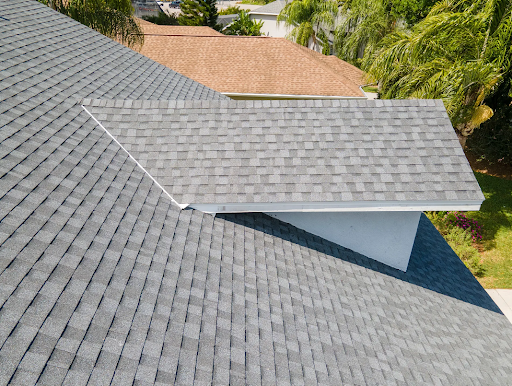
Asphalt shingles are the most popular residential roofing material in the U.S., and the good news is that they are also one of the most solar-friendly options.
Why They’re Great for Solar
- Easy to work with: Installers can drill mounts right through the shingles and into the roof deck below without much trouble.
- Affordable: Asphalt shingles are generally cheaper than many other materials.
- Compatible with most solar systems: Because they’re common, solar installers have lots of experience working with this roof type.
What to Consider
Asphalt shingles usually last 12 to 30 years, depending on quality and climate. Since solar systems last 25 to 30 years, you’ll want to make sure the roof is newer or in good condition before installing solar. If your roof is older, it’s often smart to replace it before adding panels.
2. Metal Roofs
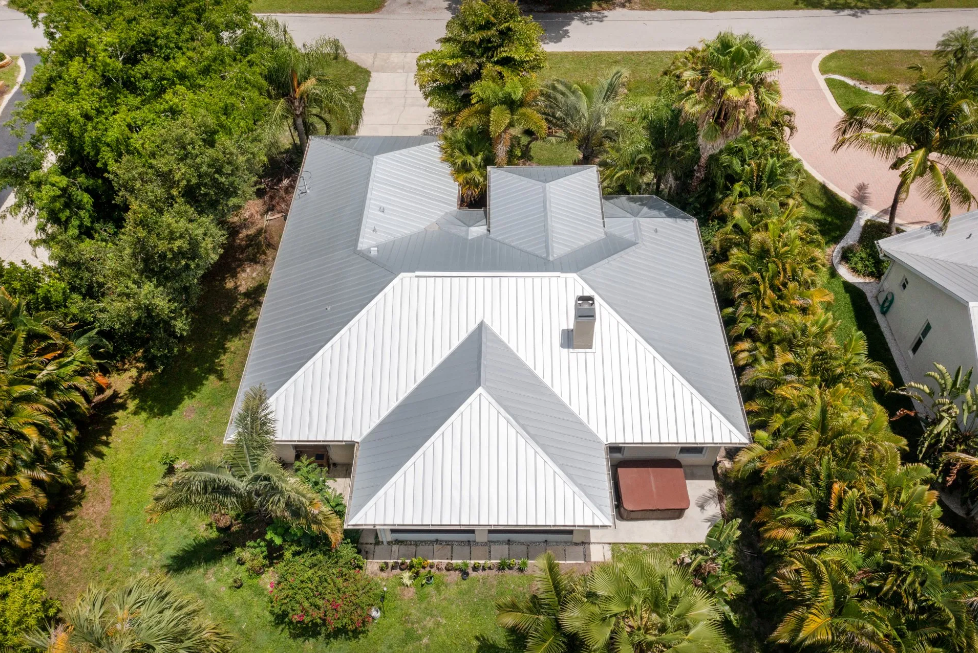
Metal roofs are often considered one of the best roof types for solar panels because of their strength, durability, and long lifespan.
Benefits of Metal Roofs
- Longevity: Metal roofs can last 40 to 70 years or more, meaning they often outlast both asphalt shingles and solar panels.
- Solar-friendly mounting: Standing seam metal roofs let installers attach solar panels with clamps instead of drilling holes, reducing leak risk.
- Supports heavy systems: Metal is strong enough to hold the weight of panels without needing extra reinforcement.
- Reflects heat: Some metal roofs reflect sunlight, which can help keep your attic cooler and improve solar panel efficiency.
What to Consider
Metal roofing usually costs more upfront than asphalt, but its long lifespan and durability can make it a smart long-term investment for solar homes. Because metal roofs often last decades, they reduce the chance you’ll need to remove and reinstall solar panels due to roof replacement.
3. Tile Roofs
Tile roofs (like clay or concrete) also last a long time, often 50+ years. That makes them durable enough for solar panels, but they come with trade-offs.
What Makes Tile Roofs Work
- Very long life: They can easily outlast solar panels, meaning fewer roof replacements during the panel’s life.
- Great for hot climates: Tile holds up well in sunny, warm regions.
What to Consider
- Installation is harder: Solar installers need specialized hardware and care because tiles can crack.
- More labor cost: Removing and reinstalling tiles or using special mounts adds to installation time and price.
Tile roofs can be excellent for solar if done right, but you should work with experienced installers.
4. Flat Roofs
Homes with flat roofs can also host solar panels, though they often need a different approach.
Why Flat Roofs Work
- Flexible layouts: Panels can be tilted toward the sun using racks placed on the roof.
- Good for big systems: Flat roofs make sense when you want a large solar setup.
Installation Considerations
Flat roofs need proper drainage and waterproofing so water does not collect on the surface. Solar panels are usually installed on angled racks or weighted systems to improve sun exposure. These must be placed carefully to avoid blocking drainage or damaging the roof.
Roof Types That Aren’t Ideal for Solar Panels
Not all roofs are great for solar. Some make installation harder and more expensive, and may even be unsafe.
- Wood shake roofs: Wood shake and similar roofs are often not recommended for solar. They can be fragile, have fire risks, and many installers may refuse them.
- Slate roofs: Slate is durable but very brittle, making drilling and mounting hardware risky and expensive.
- Rubber and gravel roofs: Low-slope roofs with gravel or rubber surfaces, like EPDM, may require special equipment and reinforcement to securely mount solar panels.
Other Important Roof Considerations for Solar Panels
The best roof material alone isn’t enough; you also need to think about:
- Roof orientation and pitch: Solar panels generate the most energy when facing the sun directly. In the U.S., that usually means a south-facing roof. A pitch or slope of about 30 to 45 degrees often works well, but installers can adjust the tilt for different roofs.
- Roof age and condition: Even the best roof material needs to be in good shape. If your roof is near the end of its life, replace it before adding solar so you don’t have to remove and reinstall panels later.
- Shade and space: Trees, chimneys, or nearby buildings that block sunlight can reduce solar energy production. Make sure your roof has enough clear, sunny space to justify the investment.
Taking these factors into account before installing solar panels can save you time and money in the long run. A roof that has the right orientation, is in good condition, and gets plenty of direct sunlight will help your solar system perform at its best for years to come.
Ready to Choose the Right Roof for Solar Panels?
Choosing the best roof type for a house with solar panels takes more than picking a durable material. You need a roof that can support the weight of the panels, stay in good condition for decades, and allow proper installation without increasing the risk of leaks. Roof orientation, pitch, age, and sun exposure all play a role in how well your solar system will perform.
Metal roofs, asphalt shingles, tile, and flat roofs can all work with solar panels when they are in good shape and installed correctly. The key is making sure your roof and solar system are planned together, not treated as separate projects.
If you’re considering solar panels or wondering whether your current roof is a good fit, King Roofing Service Inc. can help. Our team can inspect your roof, explain your options in plain language, and help you decide whether repairs or replacement should come first. Contact us today to schedule a roof inspection and get expert guidance before moving forward with solar installation.