

Top 7 Best Roof Color For Cream House
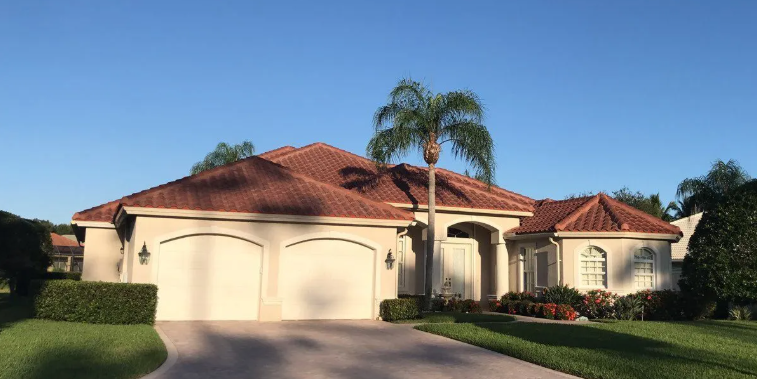
If you have a cream-colored home, you’re already ahead of the game. That soft, warm neutral is like the perfect canvas; it’s classic, welcoming, and incredibly flexible. But because cream is so versatile, picking the right roof color can actually feel a little overwhelming. Do you go dark for drama, or stay light for a seamless, airy look?
The right roof shade does more than just keep the rain out; it pulls your whole home’s personality together. It’s the difference between a house that looks “fine” and one that stops people in their tracks when they drive by.
In this blog, we’re breaking down the top 7 roof colors that pair perfectly with cream exteriors. We’ll show you why these combinations work and give you some easy tips to help you pick the shade that makes your home feel exactly like you.
Why the Right Roof Color Makes a Difference on a Cream House
Your roof isn’t just a functional part of the home; it’s one of the first things people notice from the street.
When you pair it well with cream siding, it can:
- Add depth or contrast to the look
- Complement trim and stone accents
- Help with visual balance and scale
- Influence energy efficiency
- Boost resale value and curb appeal
Cream is a warm neutral, which means it pairs well with both warm and cool roof colors. Some shades create striking contrast, while others keep the palette soft and cohesive. Your choice also depends on style, neighborhood context, and even climate.
Let’s look at the top options.
Best Roof Color Options for Cream Houses
1. Charcoal Gray
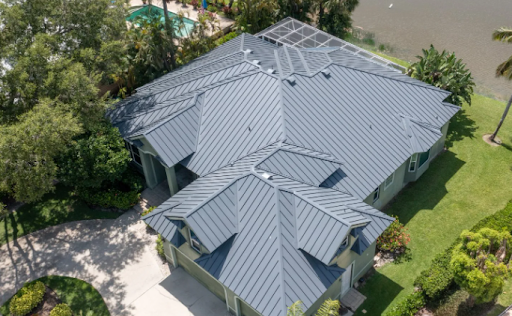
Charcoal gray is a go-to choice for cream houses because it creates a strong contrast while still feeling natural against warm siding. It frames the roofline and helps the lighter cream siding stand out without looking harsh.
Best for:
- Traditional homes
- Craftsman styles
- Transitional exteriors
Design tip:
Pair charcoal roofing with crisp white trim or black accents for a balanced, polished look.
2. Black
Black roofs create bold contrast against cream siding and give the home a sharp, structured appearance. The dark tone clearly defines the roofline and adds a polished, timeless look without feeling overdone.
Best for:
- Modern homes
- Colonial styles
- Houses with strong architectural lines
Design tip:
Add matching black trim or gutter accents to tie the roof into the whole exterior scheme.
3. Light Gray
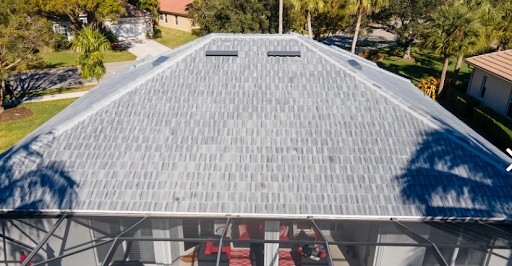
Light gray offers a softer alternative if you prefer subtle contrast. It keeps the exterior bright and cohesive while still giving the roof enough definition to stand out from cream siding.
Best for:
- Coastal homes
- Suburban houses
- Light-accent schemes
Design tip:
Pair light gray with brushed nickel hardware or light stone accents for a fresh, balanced look.
4. Brown or Earth Tones
Warm browns and earth tones bring natural harmony to a cream house. These shades complement cream’s warm undertones and create a grounded, inviting exterior without strong contrast.
Best for:
- Ranch-style homes
- Craftsman homes
- Houses with wood or stone accents
Design tip:
Match earth-tone shingles with wood beams or stone features to keep the palette cohesive.
5. Deep Green
Deep green roofing adds subtle personality while still feeling balanced with cream siding. Dark green tones create a gentle contrast and pair well with natural surroundings.
Best for:
- Homes near greenery or trees
- Cottage and transitional styles
- Suburban exterior palettes
Design tip:
Use tan or beige trim to keep the overall look warm and connected.
6. Blue-Gray
Blue-gray brings a cool, refined touch to a cream exterior. It offsets the warmth of cream siding without clashing, adding depth while staying neutral.
Best for:
- Coastal homes
- Colonial or cottage styles
- Homes with navy or blue trim accents
Design tip:
Add navy or slate blue details around windows or doors to create a coordinated look.
7. Terra Cotta or Clay
Terra cotta or clay roofs add warmth and character that naturally complement cream siding. Their orange-brown tones echo cream’s warm base, creating a cohesive and welcoming appearance.
Best for:
- Mediterranean or Spanish homes
- Stucco exteriors
- Warm-climate homes
Design tip:
Keep trim neutral or warm so the roof remains the focal point without competing elements.
How to Choose the Right Roof Color for Your Cream House
Choosing the best roof color isn’t just about personal preference. It’s also about context, balance, and long-term performance.
Here are a few questions to ask:
- What tone is your cream siding?
Cream comes in warm, cool, and neutral undertones. Warm creams work well with warm colors like brown and terra cotta, while cool creams pair nicely with gray and blue-gray. - What style is your home?
The architecture can guide your choice. Traditional homes and ranch styles tend to pair better with earth tones and charcoal. Modern and colonial homes may lean toward sharp contrasts like black or charcoal. - What is your climate?
In warmer regions, lighter roof colors help reflect heat and keep your attic cooler. In cooler areas, darker roofs might help retain warmth. - What features surround your home?
Stonework, brick, paint trim, and landscaping all affect how the roof color reads. Pick a shade that ties those elements together. - What are long-term trends?
Classic neutrals like charcoal, light gray, and black are less likely to feel dated if you plan to sell in the future. Unique shades like green and blue-gray are striking but should still coordinate with other exterior elements.
Taking the time to think through these questions can help you avoid second-guessing later. A thoughtful choice today can help your home look great and perform well for years to come.
Most Energy-Efficient Roof Colors for Cream Houses
If energy efficiency is important to you, roof color plays a role in how much heat your home absorbs.
In warmer climates, these colors are often more energy efficient:
- Light gray
- Beige or soft taupe
- Cream or other light neutral tones
These shades reflect more sunlight and help reduce heat buildup in the attic, which may lower cooling costs.
Darker colors such as charcoal or black:
- Absorb more heat
- Can increase attic temperatures in sunny areas
- May be better suited for cooler areas
Choosing the right color based on your climate helps balance appearance and performance.
Roof Color Trends for 2026
Trends evolve, but some colors keep their appeal year after year.
For cream houses in 2026, these trends stand out:
- Neutral contrasts: Charcoal and black are still top choices for timeless appeal.
- Earthy warmth: Browns and warm neutrals pair beautifully with cream siding.
- Calm tones: Blue-gray and deep green add style without feeling flashy.
- Classic materials: Clay and terra cotta remain popular for warm-climate exteriors.
These options balance style, performance, and resale value.
Roof Colors to Avoid on Cream Houses
Not all roof colors are ideal. Some can make the exterior look washed out or create unwanted clashes.
- Bright reds: Can dominate the look and compete with cream rather than complement it.
- Very light tans: May blend too closely with cream, making the home appear flat.
- Neon or highly saturated colors: Draw attention away from architectural details and trim.
Stick to balanced neutrals and coordinated accents.
Coordinating Roof Color With Other Exterior Elements
Your roof color doesn’t stand alone. It works together with the rest of your home’s exterior, and even a good color choice can feel off if it doesn’t connect with the other details. Looking at the full picture helps your home feel balanced instead of mismatched.
You’ll want to consider:
- Trim color: Trim frames your windows, doors, and roof edges. A roof that contrasts too sharply with trim can feel disconnected, while a coordinated tone helps the home look intentional.
- Shutters and doors: These features often add accent color. A roof should complement those accents rather than compete with them.
- Stone or brick accents: If your home has natural stone or brick, your roof color should tie into those tones so the exterior feels cohesive.
- Garage doors and landscaping features: Large elements like garage doors or visible hardscaping can influence how a roof color reads from the street.
For example, a charcoal roof may feel sleek with black trim, while earth tones feel warmer with brown or cream trim. Seeing samples in natural light next to these elements is one of the best ways to decide. Taking this extra step helps ensure your final choice looks right from every angle.
How King Roofing Service Inc Can Help You Choose the Right Roof Color?
Choosing a roof color can feel overwhelming once you narrow it down to a few strong options. A professional review can help you feel confident before making a final decision.
At King Roofing Service Inc, we help homeowners by:
- Reviewing real roofing samples in natural light so you can see how each color works with your cream siding and trim
- Evaluating roof pitch and sun exposure to understand how light will affect the color once installed
- Explaining material differences since shingles, tile, and metal reflect light differently
- Offering honest, practical guidance so you choose a color that looks good now and performs well over time
Our goal is to make sure your roof color fits your home’s style, climate, and long-term needs.
Ready to Choose the Perfect Roof Color for Your Cream House?
Because cream is such a versatile foundation, you have plenty of room to play, whether you want the bold drama of charcoal, the cozy feel of earth tones, or a coastal blue-gray. The right choice doesn’t just look great; it can actually keep your attic cooler and boost your home’s resale value.
It’s always a good idea to see how samples look in the bright Florida sun before committing. If you are unsure, King Roofing Service Inc. is here to help. We’ll show you how different materials handle the light and help you pick a look you’ll love coming home to. Contact us today.