

What Are Lifted Shingles and Should You Fix Them?
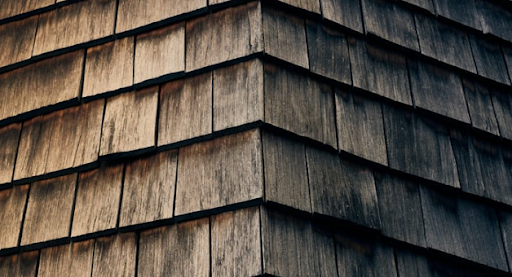
Lifted shingles are shingles that no longer lay flat against the roof. The shingle edge, corner, or tab rises up instead of staying sealed down. That raised spot creates a gap where wind, rain, and debris can get underneath. Over time, that gap can lead to moisture intrusion and bigger roof damage.
Lifted shingles are most common on asphalt shingle roofs because they rely on two things to hold them down. Correct nail placement and fastening and a sealant strip that bonds shingles together once activated by heat. If either of those fails, shingles can lift during wind, storms, or even simple aging.
What Do Lifted Shingles Look Like?
Many homeowners can spot lifted shingles without climbing on the roof. Here are common signs:
- Shingle edges or corners that look raised
- A shadow line under the shingle tab
- A “flapping” look during windy weather
- Uneven roof texture, especially in one area
- Exposed nail heads near lifted sections
Catching the issue early helps prevent bigger damage later.
Tip: Look at your roof in the early morning or late afternoon. Low-angle light makes raised edges easier to see.
Lifted Shingles vs Curling Shingles, What’s the Difference?
People mix these up all the time and they can look similar from the ground.
Lifted shingles
- Often tied to wind uplift or sealant strip failure
- May happen in one concentrated area after a storm
- The shingle may lift but still look “straight” (not warped)
Curling shingles
- Often tied to age, heat exposure, or ventilation issues
- Tends to show up gradually across the roof
- Shingles can look warped, dry, or brittle
Both can lead to leaks. However, lifted shingles are usually more urgent because wind can pry them up further during the next storm.
What Causes Shingles to Lift?
Lifted shingles usually do not happen “for no reason.” Here are the most common causes.
1. Wind uplift
High winds can create pressure changes that pull up on the shingle edges. If the adhesive bond fails, the shingle can detach at the sealant strip.
This is a big issue because once wind gets under one shingle, it can lift more shingles around it. Poor bonding of adhesive strips can lead to tab uplift, letting wind enter beneath shingles and increase uplift forces. The issue is more pronounced after a storm.
2. Sealant Strip did Not Bond Correctly
Asphalt shingles have a factory-applied adhesive strip designed to seal shingles together once heat activates it. If sealing is delayed or incomplete, shingles are easier to lift. Self-sealing asphalt shingles use a temperature-activated adhesive strip and that seal strength is a key factor in high-wind performance.
3. Improper installation
Even good shingles can fail if:
- Nails are placed too high or too low
- Too few nails are used
- Shingles are overdriven or underdriven
- The roof slope is outside what that shingle is designed for
An experienced roof inspection can often spot this fast.
4. Aging shingles
Shingle roofs last about 15 to 20 years and storms can shorten that lifespan through repeated wear and tear. As shingles age, the sealant can weaken and the shingle material becomes less flexible.
5. Debris and impact
Branches, palm fronds, and storm debris can snag a shingle edge and lift it. Even if the shingle does not tear, the seal can break.
Are Lifted Shingles a Big Deal?
Yes, they can be. Even minor lifting creates an opening that your roof system is not meant to have. If lifted shingles are not fixed, water leaks are a major issue and that can cause massive water damage.
Here’s what can happen when lifted shingles are ignored:
- Water intrusion and leaks
- Wet insulation and higher AC costs
- Mold and mildew risk
- Wood rot in decking or roof framing
- Bigger storm damage during the next wind event
Should You Fix Lifted Shingles Right Away?
Most of the time, yes.
You should treat lifted shingles as urgent if:
- The lifting happened after a storm
- You can see multiple lifted tabs in one area
- You notice drips, stains, or attic moisture
- Rain is in the forecast
- The roof is older and has had past repairs
If you only see one small lifted edge and the weather is calm, you might have a little time. But it is still smart to schedule an inspection soon, because lifted shingles tend to get worse, not better.
How Lifted Shingles Are Fixed
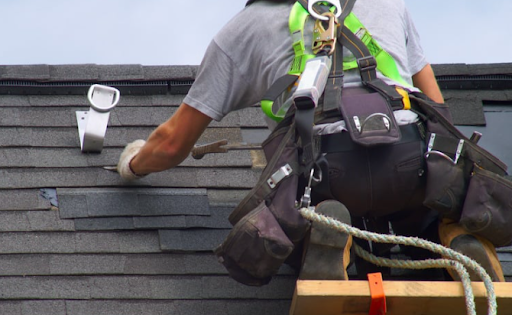
It depends on what caused the lifting and how widespread it is.
If the shingle is still in good shape
A roofer may be able to:
- Re-secure the shingle properly
- Reseal the shingle edge (if appropriate)
- Replace or correct fasteners
- Check nearby shingles for early lifting
If the shingle is creased, torn, or brittle
It usually needs to be replaced. Once a shingle is damaged, sealing it down does not restore its wind resistance.
If many shingles are lifting
When lifted shingles show up across large roof areas, it can signal:
- Widespread sealant failure
- Age-related weakening
- Installation issues affecting the whole roof
At that point, the conversation often shifts from repair to replacement, especially if the roof is near the end of its expected life.
What’s Safe and What’s Not for Temporary Fixes
Roofing is dangerous and climbing onto a roof after a storm is one of the easiest ways to get hurt. Roofing cement or sealant can be seen as a short-term option for minor lifting, but they also stress safety and the need for professional evaluation.
What you can do safely
- Place a bucket under a drip
- Move valuables away from the leak area
- Take photos of interior stains and attic moisture if you can do so safely
- Contact a roofer to inspect and document the damage
What you should not do
- Do not climb on a steep roof
- Do not nail shingles down randomly because it can create new leak points
- Do not smear sealant everywhere because it can trap water and void warranties
- Do not assume no leaks found means it’s fine
A clean repair focuses on the cause, not just sticking things down.
Will Insurance Cover Lifted Shingles?
It depends on why they lifted. In many cases, insurance may help when lifted shingles are tied to a covered event, like wind damage from a named storm. But if the shingles are lifted due to age, wear, or poor maintenance, insurance often does not cover it.
Best practice after storms:
- Get clear photos
- Document when the storm happened
- Schedule a pro inspection
- Keep the estimate and inspection notes for your records
A roofer can also help explain whether the pattern of damage looks storm-related or more like normal wear.
When Lifted Shingles Might Mean You Need a New Roof
Not every lifted shingle means you need a full replacement. However, these situations are big warning signs:
- Lifted shingles are happening in multiple roof sections
- Shingles are brittle, cracking, or losing granules heavily
- You have recurring leaks in different places
- The roof is around that common 15 to 20 year window for many shingle systems
- Past repairs are piling up, and storms keep reopening old weak spots
At that point, replacement can be more cost-effective than chasing repairs.
How to Prevent Lifted Shingles or Slow Them Down
You cannot control Florida weather, but you can reduce your risk.
- Schedule roof inspections: An inspection can catch early lifting, loose flashing, and sealing issues before they become leaks.
- Keep gutters and drainage clear: If gutters clog, water can pool up and sit where it should not. That extra water can sneak into small gaps and cause leaks faster.
- Trim overhanging branches: Branches can scrape your shingles, drop debris on the roof, or break off during storms. Cutting them back helps prevent damage.
- Choose wind-rated shingles when replacing: Some shingles are made to handle stronger winds. When they are installed the right way, they are less likely to lift or blow off during storms.
When to Call a Roofer
Call a roofer if:
- You see lifted shingles after wind or storms
- You see a line of lifting along the roof edge or ridge
- You have any ceiling stains or attic moisture
- You are not sure whether the roof is safe or stable
Even if the damage looks minor, an evaluation can help you avoid water damage and bigger costs later.
What to Do Next
Lifted shingles are shingles that no longer sit flat and sealed. They are often caused by wind uplift, sealant strip failure, installation problems, or aging roofing materials. If your shingles are lifting, the safest move is to fix them sooner rather than later. That is especially true in storm-prone areas where one lifted tab can become a larger blow-off.
If you are in Southwest Florida and you think you have lifted shingles, call King Roofing to schedule a roof inspection. Our team will check for wind damage, loose shingles, and early leak risks, then explain your options in plain language. It is a simple step that can help prevent bigger repairs before the next storm hits.