
What is Roof Shrinkage and How to Prevent It?
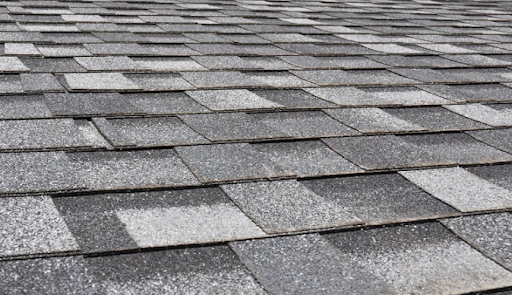
Roof shrinkage is not something most homeowners think about until a water leak appears. However if you have a flat roof, a low-slope roof, or a roof section covered with a membrane, shrinkage can be a real issue. It can pull the roofing material tight, stress seams and flashing, and open gaps where water can get in. The good news is that roof shrinkage is often preventable. Noticing the early signs of roof shrinkage makes it easier to fix.
What Is Roof Shrinkage?
Roof shrinkage is when a roofing membrane (the coating material of your roof material) slowly shortens over time. The membrane pulls tight and starts tugging on roof edges, seams, and flashing details. Imagine a rubber band stretched slightly across a surface. Over time, it tightens and pulls at anything anchored to it. On a roof, that pulling can lead to gaps, tears, and leaks. Roof shrinkage is most often discussed with EPDM (rubber roofs) and modified bitumen systems.
Where Roof Shrinkage Usually Happens
Roof shrinkage is most common on:
- Flat roofs
- Low-slope roofs
- Membrane roof sections often seen on porches, lanais, additions, and some commercial buildings
Even if your home has a sloped shingle roof, you may still have a flat or low-slope section that uses a membrane.
Why Roof Shrinkage is A Concern
Roof shrinkage is more than a surface issue. As the membrane pulls, it can:
- Pull away from the edges and walls: When the membrane shrinks, it may tug back from the roof edge or roof-to-wall area. That can leave small gaps where water can slip in, especially during wind-driven rain.
- Stress the flashing on vents and pipes: Flashing is the waterproof seal around vents, pipes, skylights, and HVAC (heating, ventilation and air conditioning). Shrinkage puts constant stress on these areas which can crack sealant, loosen metal, or split the membrane near the penetration.
- Create wrinkles, ridges, cracks, or tears: As the membrane tightens, it can bunch up in some areas and pull tight in others. Those wrinkles are not always just cosmetic. They can become weak spots that wear faster or trap water and debris.Seams can also start to separate which is one of the fastest ways to get a leak on a flat roof.
- Lead to water leaks that spread into insulation and decking: Flat roof leaks can travel underneath the membrane before they show up inside. The stain you see on the ceiling may not be directly under the problem area which can make leaks harder to track and more costly to repair
Also, once water gets under a membrane, the leak stain inside the home may show up far from the actual roof opening.
What Causes Roof Shrinkage?
Roof shrinkage usually comes from a mix of material behavior and real-world conditions. Here are the most common causes:
Aging and Material Fatigue
Over time, membranes can lose flexibility. As they age, they may slowly contract and pull more aggressively at seams and edges.
Poor Installation
Installation issues are a major factor. If a membrane is not installed with the right attachment method, spacing, or detailing, it may be more likely to shrink or pull loose.
UV Exposure and Heat
Sun and heat can accelerate wear. Excessive UV exposure is one of the common causes of membrane shrinkage. This matters in Florida because roofs spend a lot of time under intense sun.
Temperature Swings and Movement over Time
Roof systems heat up during the day and cool down at night. That movement is normal. But chronic, long-term dimensional change is different from daily expansion and contraction.
Stress at Details and Edges
Roof shrinkage becomes most noticeable where membranes are tied into details like:
- Parapet walls
- Drip edges
- Flashing at curbs
- Pipe penetrations
That is because these areas resist movement.
Signs of Roof Shrinkage
Shrinkage is easier to spot on flat roofs than steep roofs. Look for these warning signs:
- Membrane pulling away at edges: You may see the roofing membrane pulling back from the edge, wall, or termination bar area.
- Wrinkles, ridges, or ripples: Wrinkling can happen for different reasons, but it often shows up when the membrane is under stress or was installed in tricky conditions.
- Cracks or tears near flashing: If the membrane is pulling hard, cracking or tearing may appear near penetrations and flashings.
- Loose flashing or exposed areas: Shrinkage can loosen the roof-to-wall transition or reveal gaps where water can enter.
- Leaks after heavy rain: A leak does not automatically mean shrinkage, but if you see leaks plus the signs above, shrinkage should be part of the inspection.
How Roof Shrinkage Is Fixed
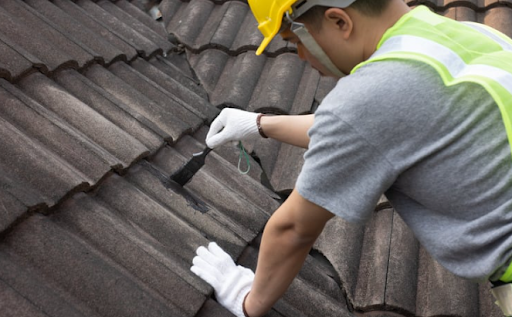
There is no universal one-size fix. The right repair depends on the roof type, the condition of the membrane, and how far shrinkage has progressed.
- Common repair approaches may include: Re-securing loose edges and terminations: If the membrane is pulling at the edge but still in decent condition a roofer may be able to re-secure and re-terminate it properly.
- Repairing or replacing flashing at penetrations: Shrinkage stresses flashing. Thus repairs often focus on those weak points.
- Patching cracks, tears, and seam issues: If shrinkage causes tearing or seam separation, those areas may need patching or partial replacement. Also If shrinkage is widespread, the membrane may no longer have enough slack to repair properly. In that case, replacement may be the more reliable option.
A professional roof inspection is important here because the surface may hide deeper issues, like wet insulation or deteriorated decking.
How to Prevent Roof Shrinkage
Prevention is mostly about good materials, correct installation, and routine checks.
- Use a Quality Membrane: High quality membranes tend to handle weathering and movement more reliably.
- Make sure the roof is installed correctly: Incorrect attachment, poor detailing, or rushed work can cause roof shrinkage problems later on.
- Pay attention to roof edges and penetrations: Shrinkage often shows up first at edges and around penetrations. Having these details done correctly from the start, lowers future stress.
- Schedule regular roof inspections: Inspections help catch early signs of pulling, wrinkling, and edge separation before a leak happens. This matters even more after major weather events or long stretches of high heat.
- Fix small problems quickly: A small separation at a termination edge may be repairable. If ignored, the membrane may keep pulling and split nearby flashing. Early action usually means smaller repairs.
Why Heat and Sun Make Prevention More Important
Florida roofs deal with long periods of heat and UV exposure. Even though shrinkage is a long-term process, intense sun can speed up aging and wear. This is why Florida homeowners should take flat roof maintenance seriously, especially on roof sections that do not drain well or get baked by afternoon sun.
Maintenance Tips That Help
A little basic upkeep can go a long way on a flat or low-slope roof. Here are a few maintenance habits that can help you avoid bigger problems later.
- Keep drains and scuppers clear so water does not sit on the roof surface.
- Check the roof after major storms from the ground for lifted edges, new wrinkles, or loose flashing.
- Watch for interior warning signs like ceiling stains, damp spots, or a musty smell.
- Don’t assume the leak is directly above the stain, flat roof water can travel before it shows up inside.
- Schedule a roof inspection if anything looks off, small repairs are usually cheaper than waiting for a bigger failure.
When to Call a Roofer
Call a roofer if you notice:
- The membrane pulling away at an edge or wall
- Wrinkles or ridges that were not there before
- Cracks or tears near flashing or penetrations
- Leaks after rain, especially around low-slope areas
Please avoid walking on a roof to inspect it yourself. Flat roofs can still be slippery, and stepping in the wrong spot can cause damage or injury. A professional can tell you whether you are dealing with normal membrane movement, cosmetic wrinkling, or true shrinkage that is pulling the roof system apart.
How King Roofing Can Help
If you have a flat or low-slope roof section in Southwest Florida and you suspect shrinkage, King Roofing can help you get clear answers.
We can:
- Inspect for membrane pullback, edge gaps, and flashing stress
- Identify cracks, tears, or seam separation
- Explain whether a repair is realistic or if replacement makes more sense
- Provide a clear estimate and a straightforward plan
If you want a faster starting point, you can also use our roof estimate tools to get a rough idea of cost, then schedule an inspection to confirm the right solution.
Next Steps
Roof shrinkage is when a membrane roof slowly tightens and pulls over time. It often leads to stress at seams, edges, and flashing. If that stress is ignored, cracks and leaks become more common. The best way to prevent roof shrinkage is to use quality materials, make sure the roof is installed correctly, and have the roof inspected so small problems do not turn into expensive roof repairs or roof replacement.
If you think you’re dealing with roof shrinkage, don’t wait for a leak to confirm it. Contact King Roofing to schedule a roof inspection. We’ll check the membrane, edges, and flashing, explain what we find, and give you a clear plan to protect your home.