
Can’t Afford a New Roof? Here’s What Florida Homeowners Can Do
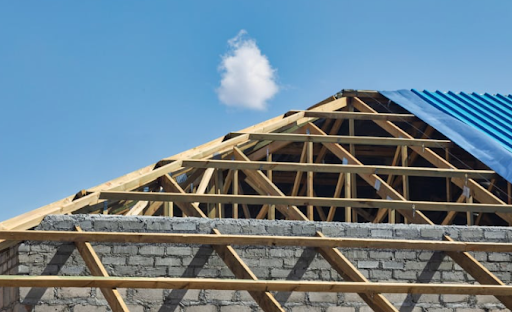
Having to replace your roof in Florida can feel overwhelming. The cost of materials, labor, and meeting local code requirements adds up fast. You’re not alone if you do not have the budget to pay for a new roof. Fortunately, there are steps you can take to protect your home now and find solutions to pay for the work later.
Whether your roof is leaking, showing age, or has been damaged in a storm, this blog will walk you through what to do, from assessing your roofing situation to temporary fixes, to exploring financing and grants. We’ll go through a to-do list after a hurricane for Florida homes, affordable roof repair vs roof replacement solutions, and how to make the best decision for your budget and your house. If you need a quick, free roof inspection, call us today!
1. Assess the Situation: Know What You’re Facing
Before worrying about cost, you need to understand what your roof’s real issues are. A clear picture helps you decide repair or replace, and gives you leverage when looking for help.
- Look for obvious signs such as missing or damaged shingles, leaks, sagging sections, granules in gutters, and daylight in the attic.
- Note down storm damage, lifted flashing, and structural faults after a hurricane. Also, take photos.
- Determine the age of your roof and whether it meets Florida’s current building codes. Roofs over 20 years old often cost more later in repairs.
- Obtain a professional inspection from a licensed roofer who can document problems and estimate work needed.
When you know what’s wrong, you’ll know how much you really need and be more prepared to find financing or alternatives.
2. Temporary Fixes to Buy Time
If you truly can’t afford a replacement now, don’t wait until failure. Use temporary solutions to keep your home safe while you plan.
- Patch or repair small leaks: Sealing cracked flashing, replacing a few shingles or redirecting water flow might delay full replacement.
- Tarp any exposed areas: After a storm, covering vulnerable roof spots can prevent water intrusion while you save.
- Keep gutters clear and ensure proper drainage: Removing debris reduces moisture damage and extends your roof’s life because it prevents water from pooling.
- Monitor attic and ceilings: Regular checks for stains or mold help you catch hidden damage early.
These steps won’t replace the need for a full roof eventually, but they can reduce risk in the short term and give you more time.
3. Explore Financing & Roof Replacement Financing in Florida
One of the most common reasons homeowners delay a new roof is the price tag. However, in Florida, there are many financing and loan options available.
- Home equity loans or HELOCs: Use your home’s equity to fund the replacement; interest rates are often favorable.
- Roofing company financing plans: Many licensed roofers offer payment plans.
- Credit cards: For smaller roofs or partial replacements, cards with 0% introductory rates can work. Just pay close attention to the terms.
- PACE financing (Property Assessed Clean Energy): In Florida, this lets you fund your new roof and pay via your property tax bill over time.
- Financing with bad credit: Some lenders specialize in new roof financing in Florida, even for homeowners with lower credit scores.
When discussing financing, ask about monthly payments, interest rates, and how long you’ll be paying. Choose a plan that fits your budget without putting your home at risk.
4. Check Insurance Coverage & Grants
Sometimes your roof might be covered, or partially covered, by insurance or state programs.
- Homeowners insurance: If your roof was damaged by a covered event (hurricane, hail, or wind), your policy may include replacement or repair.
- State and federal assistance grants: Programs like My Safe Florida Home or disaster‑recovery programs offer grants or low‑interest loans for roof work.
- Roof repair vs replacement eligibility: Insurance may cover storm damage but not wear‑and‑tear from aging; documentation matters.
- Work with a contractor who can help file the claim: Having inspection reports and detailed photos increases your chance of coverage.
If you qualify for these programs, you may reduce or eliminate upfront costs entirely.
5. Consider Alternative Materials & Cost‑Saving Options
A full replacement doesn’t always mean the most expensive options. You can find value and savings by adjusting materials and scope.
- Choose asphalt shingles or budget‑friendly materials instead of premium options if cost is your constraint.
- Replace only the roof section or slope that’s most damaged, if acceptable and safe.
- Choose energy‑efficient or reflective materials (in Florida climate) to save future cooling costs and possibly qualify for rebates.
- Compare warranties. A longer warranty may mean a higher cost upfront, but better long‑term value.
Exploring different roof systems can help you stay protected without overspending.
6. Understand the Risks of Delaying a Full Replacement
Putting off roof repairs might seem like a way to save money now, but waiting can lead to much bigger expenses later. Here’s what can happen when repairs are delayed:
- Water Damage Spreads: A small leak can quickly lead to ceiling stains, mold growth, or rotten wood in your attic or walls.
- Insurance Issues: Most insurance companies require prompt action after damage. Waiting too long could cause your claim to be denied.
- Higher Long-Term Costs: What might cost a few hundred dollars to fix now could become a multi-thousand-dollar replacement later.
- Reduced Energy Efficiency: Damaged or missing shingles can make it harder for your roof to regulate temperature, increasing your utility bills.
- Lower Home Value: A worn or leaking roof can hurt your resale value and make it harder to sell your home.
Acting quickly prevents minor issues from becoming expensive repairs. Even if you can’t afford a full replacement, small, timely fixes can save you thousands in the long run.
7. Choosing the Right Roofer in Florida
Having a trusted, local roofer matters, especially when budgets are tight and you need help navigating options.
- Hire a licensed and insured roofing contractor experienced with Florida requirements and storm‑resistant systems.
- Ask about the financing options the roofer offers or guides you to.
- Ensure they provide full written estimates, a breakdown of work, and material choices.
- Choose a roofer who helps with insurance and grants paperwork or guides you to trusted resources.
- Read reviews and check local references; avoid high‑pressure tactics or vague claims.
Selecting the right partner ensures your project stays on budget and avoids surprises.
Can DIY Roofing Save Money? Pros and Cons
When money’s tight, it’s tempting to try fixing your roof yourself. For small issues, a do-it-yourself approach might seem like the cheapest way forward, but it’s not always the best choice.
Pros of DIY Roof Repair:
- Lower Labor Costs: You’ll save money by not hiring a professional. For minor tasks like resealing a vent or replacing a few shingles, the materials are inexpensive and easy to buy at home improvement stores.
- Faster Response: If a leak happens during a storm, patching it yourself with a tarp or sealant can protect your home until a roofer is available.
Cons of DIY Roof Repair:
- Safety Risks: Climbing on a roof without training or proper equipment can lead to serious injuries.
- No Warranty or Guarantee: Most licensed roofers offer workmanship warranties. DIY work doesn’t come with those protections.
- Insurance Issues: If the repair fails or causes more damage, your home insurance may not cover it, especially if improper methods were used.
- Temporary Fixes Only: DIY often addresses the symptom, not the root problem. You might delay a larger issue rather than solve it.
For small temporary fixes like applying roofing cement to a leak, DIY can help. However, when it comes to full repairs or replacement, it’s safer and smarter to get professional help.
How to Talk to a Roofing Contractor About Budget Concerns
Many homeowners hesitate to discuss money with roofing contractors, but transparency helps you find the best solution for your situation. Here’s how to approach it:
- Be Honest About Your Budget: Let your contractor know what you can realistically afford. This helps them tailor options to fit your financial comfort zone.
- Ask About Payment Options: Many roofers offer financing plans, deferred payments, or low-interest loans. Don’t be afraid to ask what’s available.
- Prioritize Urgent Repairs: If you can’t afford a full replacement, ask if the contractor can address the most critical areas first. This helps prevent further damage while you plan ahead.
- Consider Material Alternatives: Some roofing materials cost less but still offer strong protection. Discuss options that balance cost and durability.
- Request Multiple Quotes: Getting several estimates helps you understand fair pricing and gives you more confidence when negotiating.
- Ask About Insurance and Claims Help: A professional roofer can guide you through insurance paperwork and help maximize your coverage if your damage qualifies.
Remember, good contractors want to help homeowners make informed decisions, not pressure them. A clear conversation builds trust and ensures you get the best value for your budget.
Make the Right Call for Your Roof
If you’re a Florida homeowner worried about the cost of a new roof, remember that you still have options. Temporary repairs, financing plans, insurance claims, affordable materials, and smart budgeting can all help you move forward. The key is to take action now before small problems turn into costly ones.
At King Roofing, our mission is to help Florida homeowners protect their homes without financial stress. We offer professional inspections, flexible financing guidance, and honest advice about whether repair or replacement makes sense for you. Contact us today for a free roof evaluation and to explore ways to get your home covered, even if your budget feels tight.